by Pablo Barrera, Clinical Psychologist
Artificial Intelligence (AI) is the technology with the highest rate of adoption recorded. For instance, the transition from horses to cars took approximately 30 years, and the shift from traditional mail to email around 20 years; in contrast, AI has become a part of daily life in less than half a decade. Many people use AI as a form of psychotherapeutic support, and models specifically designed for this purpose are being developed and released frequently. It is estimated that nearly 50% of AI users seek mental health advice through these systems. Thus, we should expect that many of our patients, family members, and friends are already using AI as a therapist. This raises several important questions regarding the type of emotional support offered by AI and its overall impact on psychology. Rather than focusing on job insecurity related to AI replacing psychologists, hallucinated responses, or ethical concerns, this brief essay will examine the type of therapy AI is likely to provide and its risks, including isolation, limited contextual understanding, complacent responses, and reduced access to human therapists in underserved communities.
AI is trained to generate the most likely response given a prompt. For example, when you ask, “What is 2 + 2?”, the model is not performing arithmetic in the way a human might; rather, it produces “4” because that is the most probable answer based on patterns in its training data. In principle, if large amounts of online content consistently claimed that 2 + 2 equals 3, the model would begin to reflect that pattern.
The same logic extends to the type of therapy AI is likely to provide. Over the past two decades, Cognitive Behavioral Therapy (CBT) has been one of the most widely published and spread frameworks. In a simple test, I opened an incognito browser to minimize the influence of prior interactions and asked ChatGPT about therapy; its responses consistently referenced CBT. Thus, it is reasonable to assume that AI mental health tools will tend to deliver some form of CBT.
This is advantageous for AI, as CBT is manualized, standardized, and technique-oriented, features that can be more easily learned and reproduced by a model. Yet the AI approach tends to overlook the dynamic aspects of therapy, such as the therapeutic alliance, non-verbal and embodied forms of communication, and processes like countertransference. The issue, then, is not only that these aspects of therapy are difficult to replicate but that they are also underrepresented in the data; therefore, they are less likely to emerge as the “most probable” response. This pattern becomes even more pronounced when we consider epistemologies originating from minority or non-hegemonic communities, such as Indigenous psychologies, decolonial approaches, or Feminist Therapy.
If AI is not trained in less widely published forms of therapy, it will be even less equipped to engage with the non-traditional contexts experienced by clients. Although as therapists we have not lived a thousand lives, we are able to extrapolate from our own experiences to better understand those of our clients. For instance, I have been an immigrant; even if I do not share the same country of origin or current context as my patient, that experience can facilitate the empathy I feel towards them. Neither my experience as an immigrant, nor my patient’s experience, is part of the model’s training in any direct or lived sense. These experiences are shared through conversation, emotion, and other deeply human forms of communication, which are rarely captured in digital data, and therefore do not meaningfully inform the model. The everyday aspects of our lives, what we call context, are so ordinary and taken for granted that they often remain invisible in formalized data, yet are central to therapeutic understanding. As a result, AI is likely to develop only a shallow understanding of the complex contexts that shape human experience, or even may fail to fully understand it.
AI has been trained to be complacent to the user. A humorous example of this is a viral reel in which two influencers upload a recording of a fart, and the AI responds by describing it as a “profound” and “vibey” piece of audio. Less amusing, however, is the implication of a therapist who is consistently agreeable. Such a stance could inadvertently validate a disconnection from reality, as seen in conditions like psychosis or in situations involving suicidal ideation. Even when the client is not experiencing acute psychopathology, this unidirectional agreeableness may obscure the patient’s capacity to confront difficult but necessary aspects of their experience. Without moments of tension, disagreement, or challenge, therapy risks becoming a space of comfort rather than transformation.
Psychologists have long advocated for increasing the number of professionals in primary care and underserved settings, alongside expanding insurance coverage for mental health services, in response to a persistent shortage of providers. Yet, the rise of AI-based therapists complicates this argument: while they may improve access, they also risk reframing the problem as one of technological substitution rather than structural investment. In this scenario, underserved communities may remain underserved, while human-delivered therapy becomes increasingly reserved for those with greater resources.
Taken together, the rise of AI in psychotherapy does not simply introduce a new tool, but challenges the foundations of how care is conceptualized, delivered, and distributed. While it may expand access, it also risks standardizing therapeutic practice, overlooking the centrality of context, and reinforcing patterns of uncritical validation. Furthermore, it may shift attention away from the structural changes needed to ensure equitable mental health care. In doing so, we risk creating a system where efficiency is prioritized over depth, and where truly human, context-sensitive therapy becomes increasingly inaccessible to those who need it most.
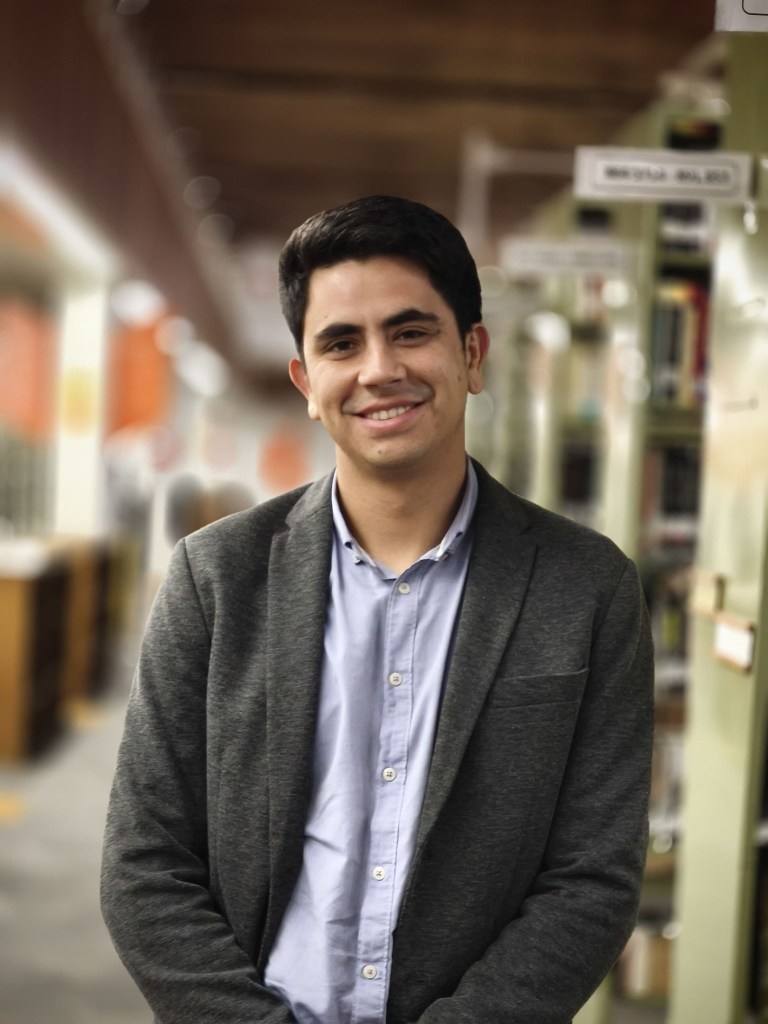
Pablo Barrera is a clinical psychologist and currently a PhD student at the Pontificia Universidad Católica de Chile, as well as an associate professor at the Universidad San Francisco de Quito, Ecuador.

